
M A R C O M O N F A R D I N I
D E T E C T
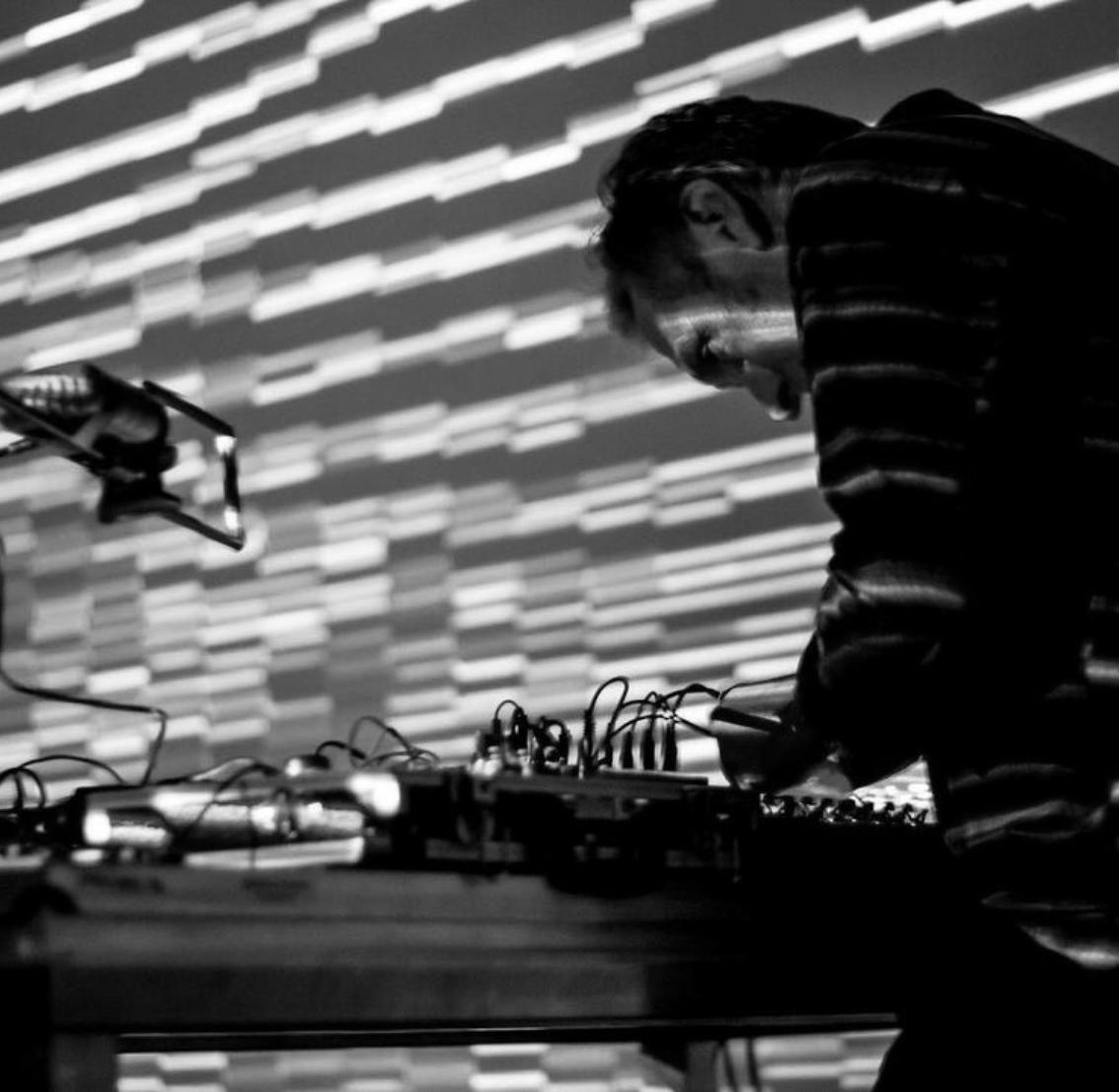

©2025 EXTRAsync
This site does not use cookies or other user data tracking technologies
Detect
is
a
project
that
explores
the
phenomenon
of
inaudible
sound
—
sound
that
exists
beyond
the
threshold
of
human
perception,
generated
by
the
electromagnetic
emissions
of
the
technological
environment
that
surrounds
us.It
focuses
on
the
hidden
acoustic
dimension
of
our
contemporary
landscape:
a
continuous,
imperceptible
flux
of
electromagnetic
energy
produced
by
devices,
networks,
and
communication
systems
—
WiFi,
Bluetooth,
GSM,
data
streams — an invisible soundscape that defines our presence in the digital age.
At
its
core,
Detect
examines
the
transformation
of
perception
in
a
world
saturated
with
immaterial
signals.The
project
investigates
how
technology,
while
expanding
the
spectrum
of
human
communication,
simultaneously
conceals
vast
portions
of
reality
within
inaudible
and
invisible
layers
of
frequency.These
electromagnetic
fields
—
silent
yet
omnipresent
—
are
the
pulse
of
our
digital
existence:
an
abstract
sonorous
network
that
connects
and
controls
us.By
making
these
frequencies
audible,
Detect
exposes
the
hidden
texture
of
the
environment,
transforming the invisible into an aesthetic experience.
Monfardini
approaches
these
signals
as
both
archaeological
traces
and
living
organisms
:
evidence
of
a
continuous
human–machine
dialogue,
yet
also
independent
entities
that
vibrate
and
interact
beyond
our
awareness.In
this
sense,
Detect
becomes
not
only
an
act
of
listening,
but
an
act
of
revelation
—
a
decoding
of
the
electromagnetic
unconscious
of
the
contemporary world.
The
sound
component
of
Detect
begins
with
a
process
of
field
recording
through
specialized
devices
—
an
electrosmog
detector
and
a
high-frequency
recorder
—
capable
of
converting
electromagnetic
emissions
between
500
MHz
and
3
GHz
into
audible
frequencies.These
recordings,
captured
on-site
in
the
days
preceding
the
performance,
constitute
the
raw
material of the composition: a sonorous archive of the space itself, its invisible voice.
The
collected
signals
are
later
selected,
assembled,
and
transformed
by
Monfardini
into
a
complex
audio
structure
—
a
composition
where
rhythm,
noise,
and
resonance
emerge
from
the
physical
presence
of
information
itself.During
the
live
performance,
these
sounds
are
manipulated
in
real
time,
intertwined
with
new
data
captured
from
the
audience’s
own
devices
and
from
the
equipment
active
in
the
venue.Thus,
the
performance
becomes
a
dynamic
acoustic
mapping
of
the
electromagnetic
ecosystem,
a
real-time
sonification
of
the
digital
environment.
The
sonic
space
oscillates
between
abstraction
and
physicality:
deep,
granular
textures
collide
with
sharp
bursts
of
high-frequency
noise,
evoking
both
natural
and
synthetic
sensations.The
audience
experiences
an
acoustic
field
in
constant
mutation,
where
the
borders
between
data,
sound,
and
perception
blur.Listening
transforms
into
an
act
of
awareness
, a re-connection with the material dimension of the immaterial.
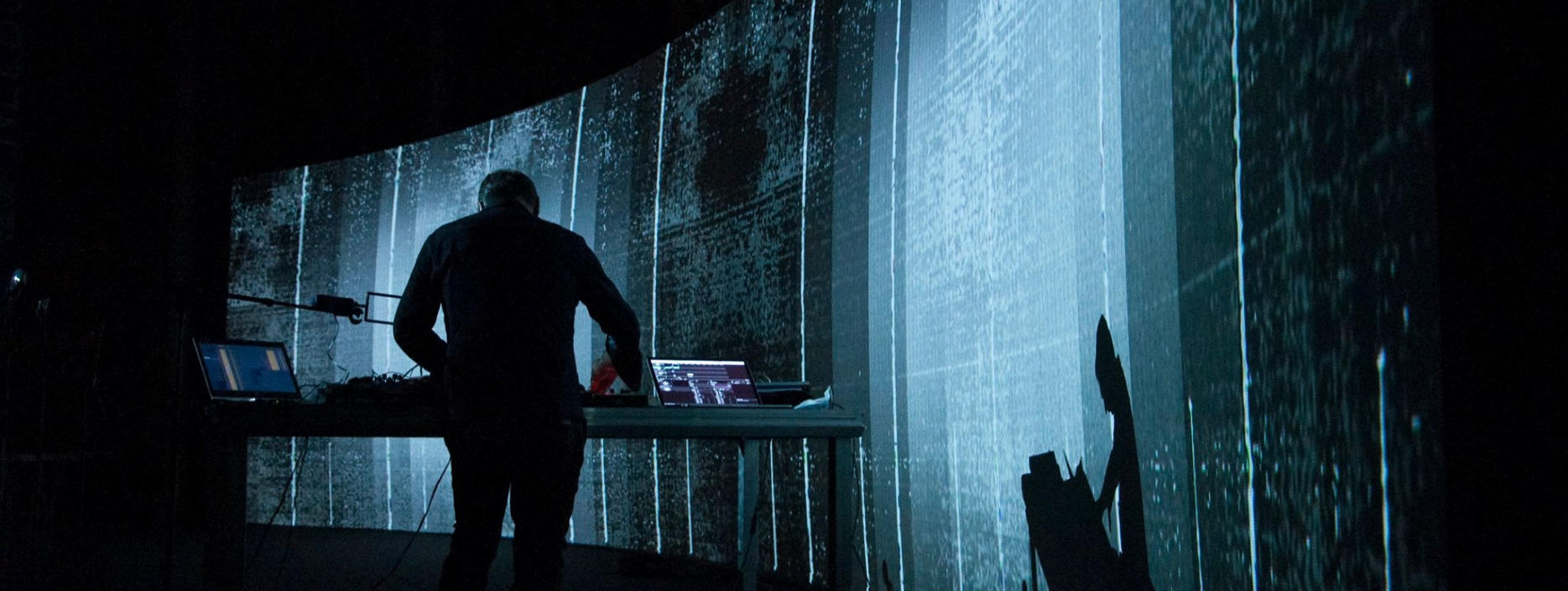
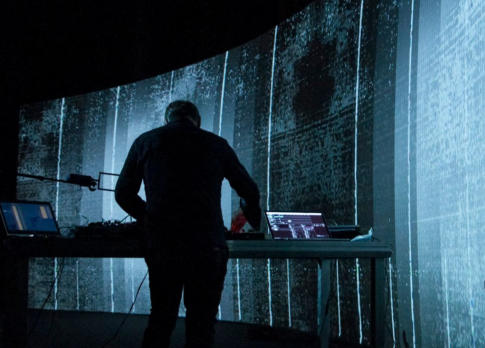
The
visual
component
mirrors
this
process
of
detection
and
transformation.Signals
captured
from
the
electromagnetic
field
are
translated
into
moving
images,
geometries,
and
visual
noise
—
a
living
data
landscape
where
order
and
chaos
coexist.The
video
does
not
merely
illustrate
sound;
it
becomes
its
visual
counterpart,
a
rhythmic
structure
that
reacts
to
the
same
invisible
sources.Lines,
flickers,
and
distortions
emerge
and
disappear,
revealing
the
electromagnetic architecture of the space.
The
projection
is
conceived
as
an
expanded
diagram
of
the
environment,
where
the
invisible
exchanges
of
information
—
data
transmissions,
wireless
communication,
interference
—
take
form
as
light
and
motion.Through
this
visual
translation,
the
audience
perceives
the
digital
fabric of reality not as abstraction, but as a tangible, almost organic presence.
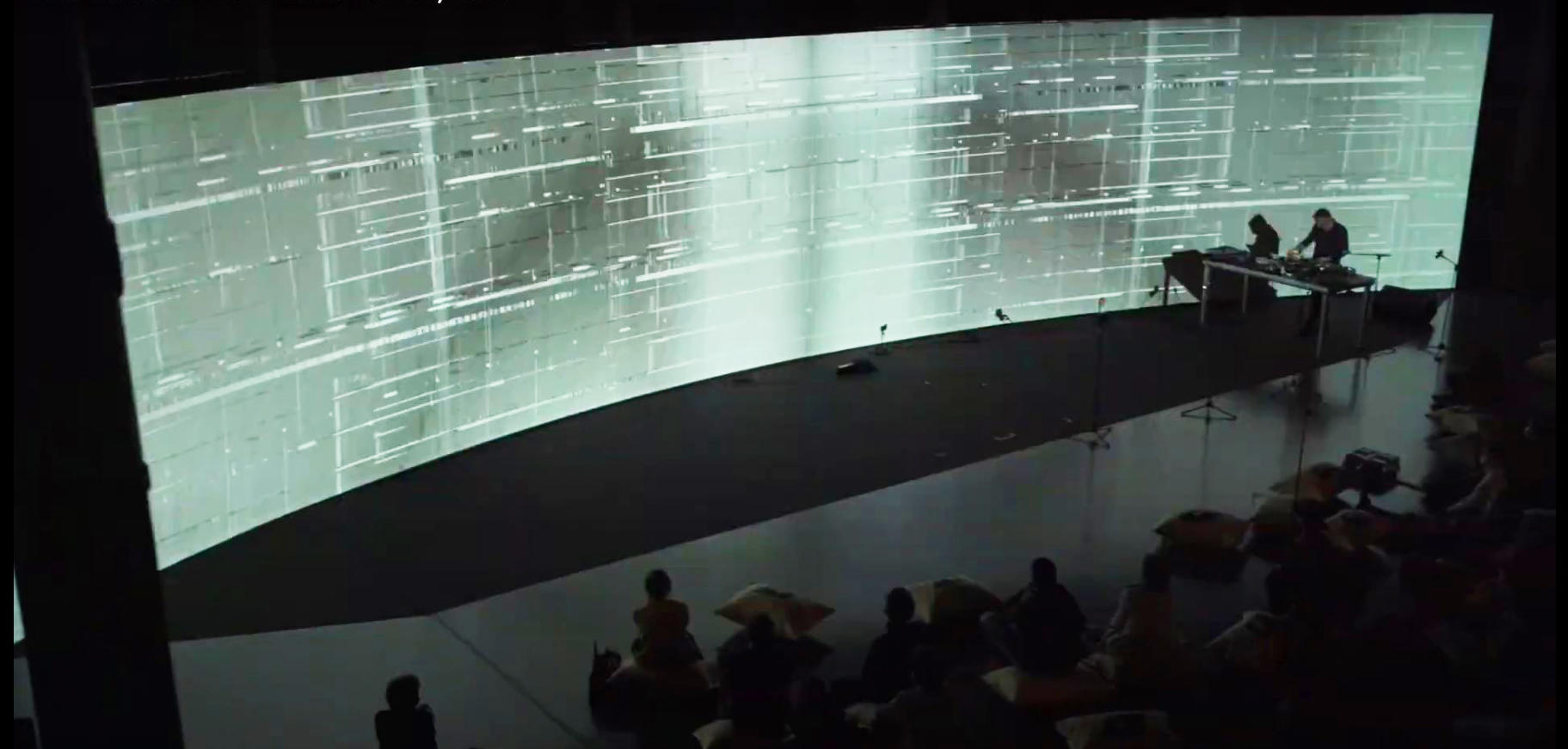
During
the
performance,
multiple
electrosmog
detectors
are
distributed
throughout
the
venue,
continuously
scanning
and
converting
real-time
electromagnetic
activity
into
sonic
data.The
audience
itself
becomes
an
active
part
of
the
composition:
every
phone,
every
wireless
signal
contributes
to
the
evolving
soundscape.In
this
way,
Detect
functions
as
both
a
mirror
and
a
sensor
—
an
interface
between
human
and
technological
presence.The
performance
is
not
a
representation
but
a
process
—
a
real-time
negotiation between control and randomness, between the predictable order of systems and the unpredictable energy of space.
Through
Detect
,
Marco
Monfardini
constructs
an
audio-visual
instrument
for
perceiving
the
imperceptible.By
giving
form
and
sound
to
the
electromagnetic
field,
he
opens
a
space
of
reflection
on
our
relationship
with
the
technological
environment
—
a
territory where sound becomes information and information becomes experience.The work invites the listener to tune into the hidden frequencies of contemporary life, revealing the constant vibration that underlies our hyperconnected world.
Detect
transforms data into matter, interference into music, and surveillance into listening — exposing the silent resonance of the digital atmosphere that defines our existence.
M A R C O M O N F A R D I N I
D E T E C T
Detect
is
a
project
that
explores
the
phenomenon
of
inaudible
sound
—
sound
that
exists
beyond
the
threshold
of
human
perception,
generated
by
the
electromagnetic
emissions
of
the
technological
environment
that
surrounds
us.It
focuses
on
the
hidden
acoustic
dimension
of
our
contemporary
landscape:
a
continuous,
imperceptible
flux
of
electromagnetic
energy
produced
by
devices,
networks,
and
communication
systems
—
WiFi,
Bluetooth,
GSM,
data
streams
—
an
invisible soundscape that defines our presence in the digital age.
At
its
core,
Detect
examines
the
transformation
of
perception
in
a
world
saturated
with
immaterial
signals.The
project
investigates
how
technology,
while
expanding
the
spectrum
of
human
communication,
simultaneously
conceals
vast
portions
of
reality
within
inaudible
and
invisible
layers
of
frequency.These
electromagnetic
fields
—
silent
yet
omnipresent
—
are
the
pulse
of
our
digital
existence:
an
abstract
sonorous
network
that
connects
and
controls
us.By
making
these
frequencies
audible,
Detect
exposes
the
hidden
texture
of
the
environment, transforming the invisible into an aesthetic experience.
Monfardini
approaches
these
signals
as
both
archaeological
traces
and
living
organisms
:
evidence
of
a
continuous
human–machine
dialogue,
yet
also
independent
entities
that
vibrate
and
interact
beyond
our
awareness.In
this
sense,
Detect
becomes
not
only
an
act
of
listening,
but
an
act
of
revelation
—
a
decoding
of
the
electromagnetic
unconscious
of
the contemporary world.
The
sound
component
of
Detect
begins
with
a
process
of
field
recording
through
specialized
devices
—
an
electrosmog
detector
and
a
high-
frequency
recorder
—
capable
of
converting
electromagnetic
emissions
between
500
MHz
and
3
GHz
into
audible
frequencies.These
recordings,
captured
on-site
in
the
days
preceding
the
performance,
constitute
the
raw
material
of
the
composition:
a
sonorous
archive
of
the
space
itself,
its invisible voice.
The
collected
signals
are
later
selected,
assembled,
and
transformed
by
Monfardini
into
a
complex
audio
structure
—
a
composition
where
rhythm,
noise,
and
resonance
emerge
from
the
physical
presence
of
information
itself.During
the
live
performance,
these
sounds
are
manipulated
in
real
time,
intertwined
with
new
data
captured
from
the
audience’s
own
devices
and
from
the
equipment
active
in
the
venue.Thus,
the
performance
becomes
a
dynamic
acoustic
mapping
of
the
electromagnetic
ecosystem,
a
real-time
sonification
of
the
digital
environment.
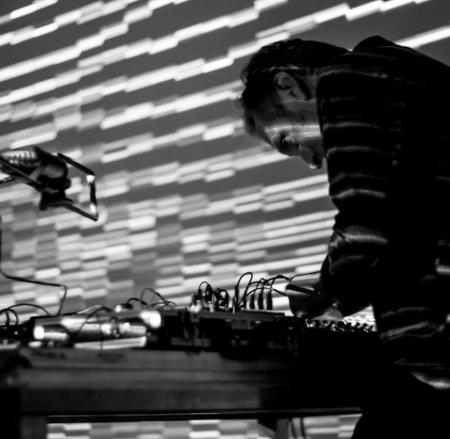
The
sonic
space
oscillates
between
abstraction
and
physicality:
deep,
granular
textures
collide
with
sharp
bursts
of
high-frequency
noise,
evoking
both
natural
and
synthetic
sensations.The
audience
experiences
an
acoustic
field
in
constant
mutation,
where
the
borders
between
data,
sound,
and
perception
blur.Listening
transforms
into
an
act
of
awareness
,
a
re-connection
with
the
material
dimension
of
the
immaterial.
The
visual
component
mirrors
this
process
of
detection
and
transformation.Signals
captured
from
the
electromagnetic
field
are
translated
into
moving
images,
geometries,
and
visual
noise
—
a
living
data
landscape
where
order
and
chaos
coexist.The
video
does
not
merely
illustrate
sound;
it
becomes
its
visual
counterpart,
a
rhythmic
structure
that
reacts
to
the
same
invisible
sources.Lines,
flickers,
and
distortions
emerge
and
disappear,
revealing
the
electromagnetic
architecture of the space.
The
projection
is
conceived
as
an
expanded
diagram
of
the
environment,
where
the
invisible
exchanges
of
information
—
data
transmissions,
wireless
communication,
interference
—
take
form
as
light
and
motion.Through
this
visual
translation,
the
audience
perceives
the
digital
fabric
of
reality
not
as
abstraction,
but
as
a
tangible,
almost
organic
presence.
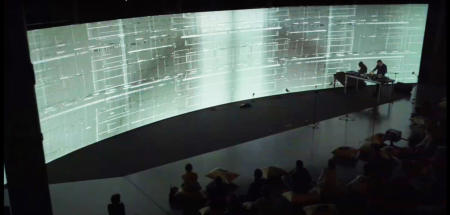
During
the
performance,
multiple
electrosmog
detectors
are
distributed
throughout
the
venue,
continuously
scanning
and
converting
real-time
electromagnetic
activity
into
sonic
data.The
audience
itself
becomes
an
active
part
of
the
composition:
every
phone,
every
wireless
signal
contributes
to
the
evolving
soundscape.In
this
way,
Detect
functions
as
both
a
mirror
and
a
sensor
—
an
interface
between
human
and
technological
presence.The
performance
is
not
a
representation
but
a
process
—
a
real-time
negotiation
between
control
and
randomness,
between
the
predictable
order
of
systems
and
the
unpredictable
energy
of space.
Through
Detect
,
Marco
Monfardini
constructs
an
audio-visual
instrument
for
perceiving
the
imperceptible.By
giving
form
and
sound
to
the
electromagnetic
field,
he
opens
a
space
of
reflection
on
our
relationship
with
the
technological
environment
—
a
territory
where
sound
becomes
information
and
information
becomes
experience.The
work
invites
the
listener
to
tune
into
the
hidden
frequencies
of
contemporary
life,
revealing
the
constant
vibration
that
underlies
our
hyperconnected
world.
Detect
transforms
data
into
matter,
interference
into
music,
and
surveillance
into
listening
—
exposing
the
silent
resonance
of
the
digital
atmosphere that defines our existence.
©2025 EXTRAsync
This site does not use cookies or other user data tracking technologies

