
S Y N C F I L M A R C H I V E
M E M O R Y C A M

©2025 EXTRAsync
This site does not use cookies or other user data tracking technologies
MEMORY
CAM
is
an
immersive
audiovisual
installation
that
transforms
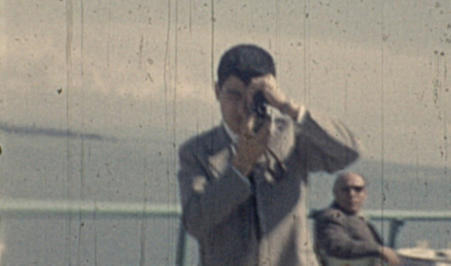
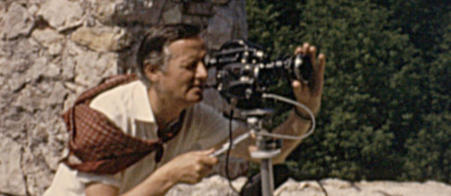
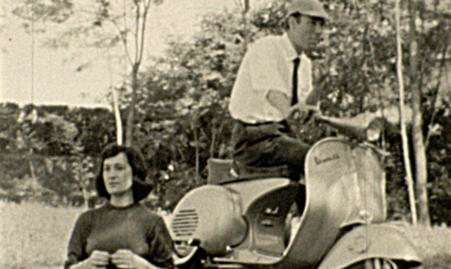
found
footage
and
forgotten
fragments
of
everyday
life
into
a
sensory
and
emotional
meditation
on
time,
memory,
and
the
act
of
seeing.
At
once
intimate
and
universal,
it
invites
the
viewer
to
travel
through
the
layers
of
collective
memory
—
an
echo
chamber
of
gestures,
glances,
and
moments
suspended
between
personal history and the anonymous continuum of the past.
At
its
core,
MEMORY
CAM
investigates
the
fragile
relationship
between
image
and
remembrance,
questioning how memory is shaped, stored, and reimagined through moving images.
The
work
explores
the
intersection
of
personal
and
collective
memory,
where
private
images—original, unedited home movies—become part of a shared visual language.
These
films,
once
intimate
documents
of
family
life,
are
reactivated
as
emotional
and
cultural
artifacts, revealing the invisible bonds that link generations and geographies.
In
MEMORY
CAM,
memory
is
not
presented
as
a
linear
narrative
but
as
a
field
of
perception:
unstable,
fragmented,
and
porous.
Images
resurface
like
dreams,
detached
from
chronology
yet
charged with the emotional residue of lived experience.
The
installation
proposes
memory
as
a
dynamic
process
—
not
a
place
of
storage,
but
an
ongoing
act of translation between time, image, and affect.
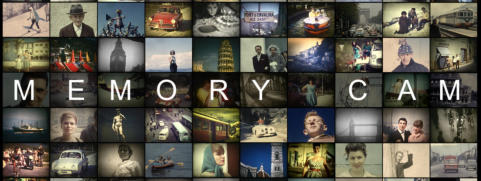
Visually,
MEMORY
CAM
unfolds
as
a
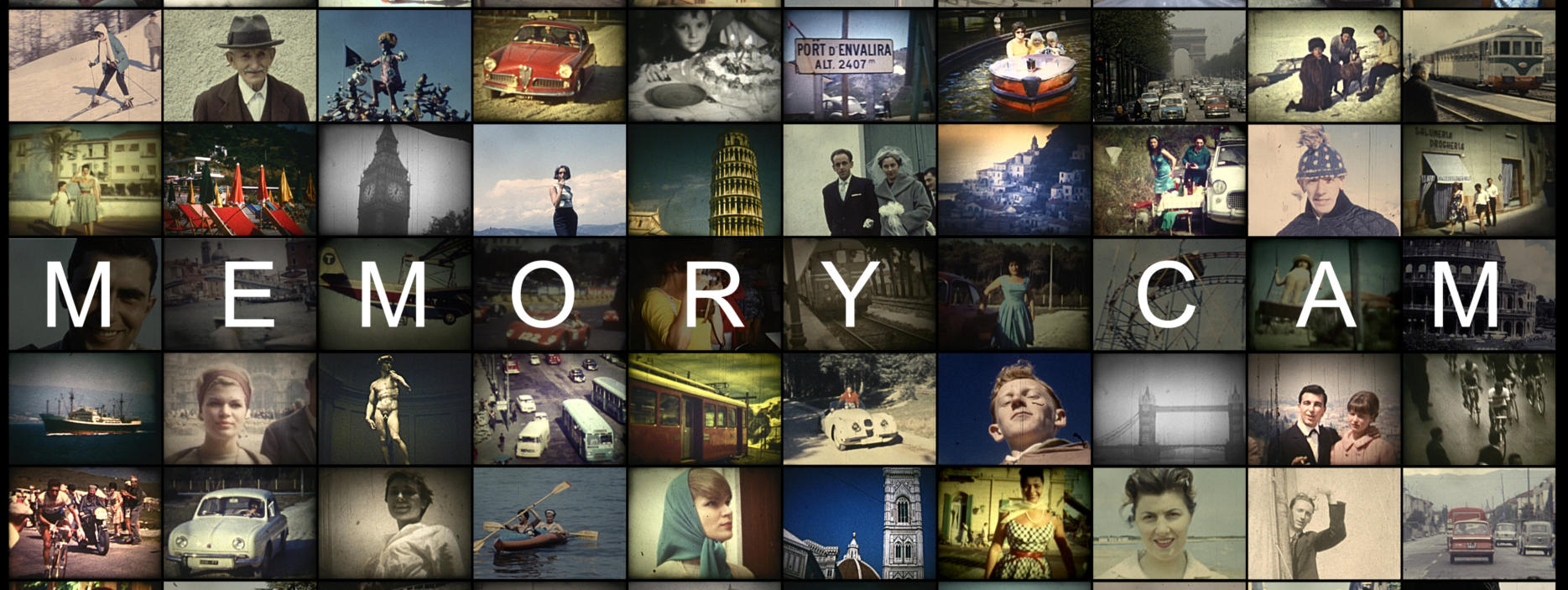
mosaic
of
images
projected
in
multiple
layers,
generating
an
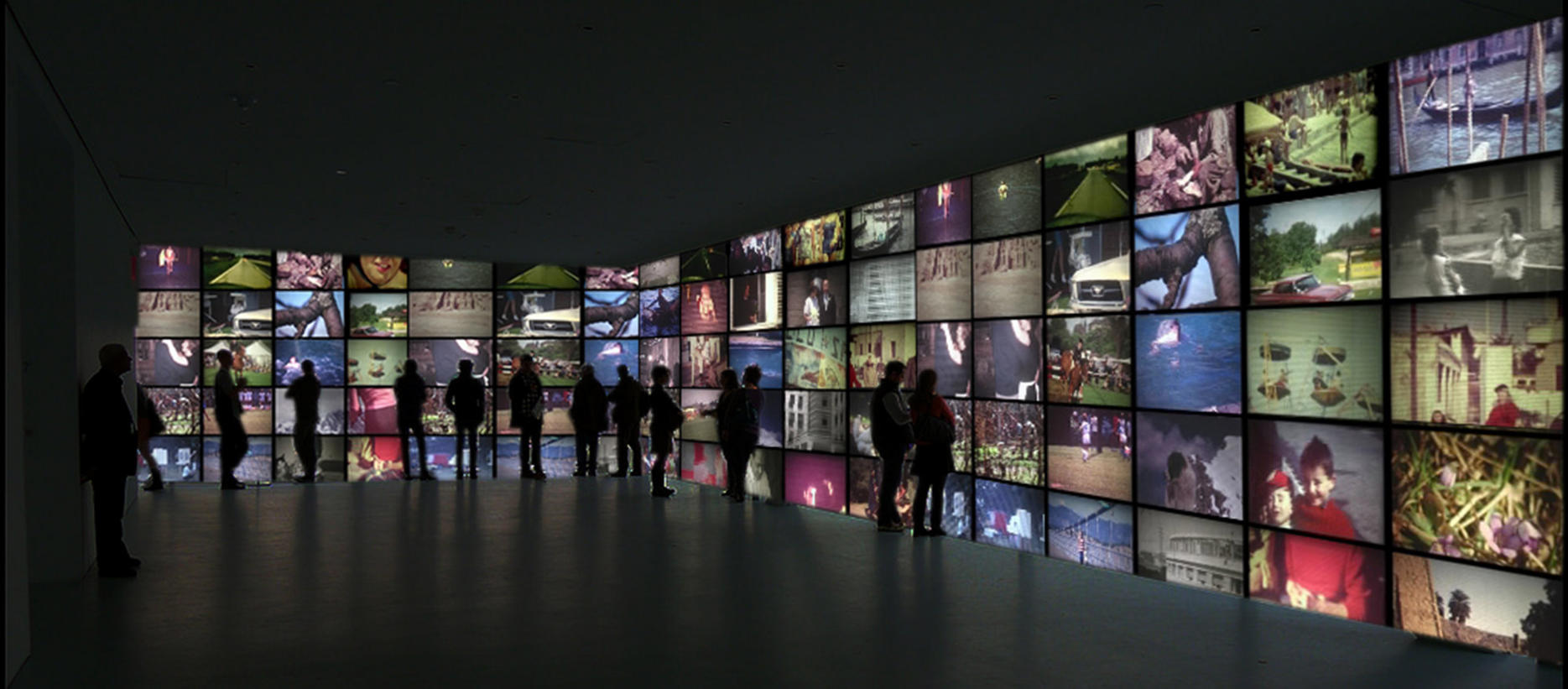
immersive environment where the viewer becomes both observer and participant.
Through
a
subtle
interplay
of
color,
rhythm,
and
texture,
the
installation
constructs
a
fluid
visual
fabric — a living archive that breathes, flickers, and transforms.
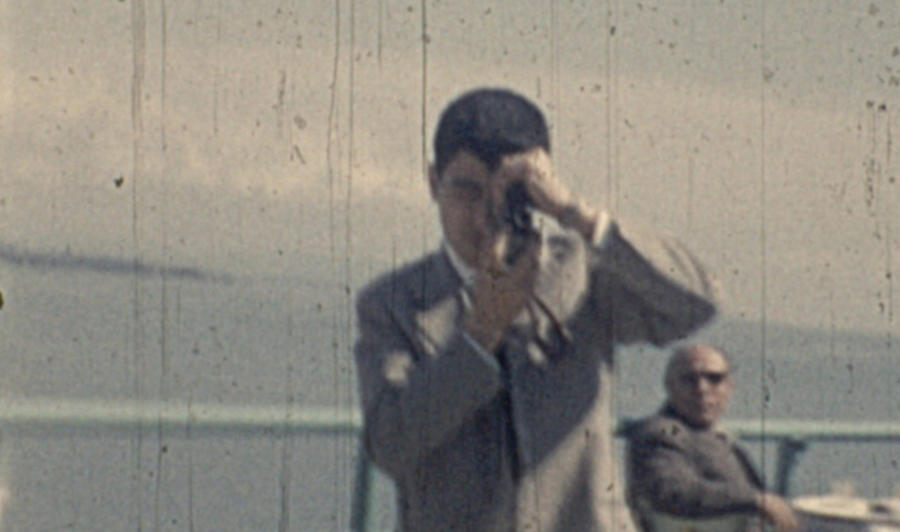
The
original
8mm
and
16mm
home
movies
are
presented
in
their
unaltered
materiality:
the
grain,
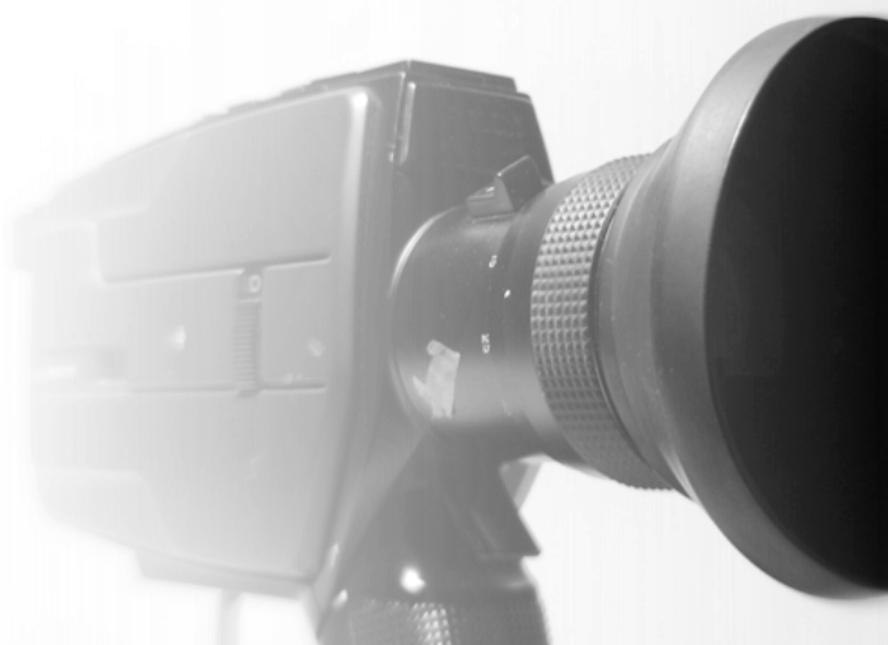
the flicker, and the imperfections of analog film become essential narrative elements.
They
are
not
merely
traces
of
the
past
but
tactile
manifestations
of
time
itself
—
each
scratch,
each
light leak, an index of memory’s fragility.
The
visual
composition
follows
no
predetermined
order;
it
flows
like
consciousness,
oscillating
between recognition and abstraction.
Moments of domestic intimacy coexist with landscapes, architecture, and anonymous figures.
The
repetition
and
layering
of
these
fragments
evoke
a
cinematic
palimpsest
—
a
visual
texture
in
which memory accumulates, overlaps, and slowly dissolves.
The sonic landscape of MEMORY CAM is designed as a counterpart and extension of the image.
It
blends
archival
noise,
ambient
resonance,
and
minimal
composition,
creating
a
temporal
texture
that guides perception beyond the visual.
Sound operates as an invisible narrative layer — a resonance of what is seen and what is lost.
Through
the
interplay
of
frequency,
echo,
and
silence,
the
sound
design
amplifies
the
tactile
and
emotional
depth
of
the
images,
transforming
the
viewing
experience
into
an
embodied
form
of
listening.
The
composition
is
not
synchronized
but
entangled
with
the
images,
producing
moments
of
dissonance and harmony that mirror the instability of memory itself.
Just
as
the
film
images
fade,
distort,
or
repeat,
the
sound
drifts
between
presence
and
absence
—
an aural equivalent of forgetting and remembering.
All
visual
material
in
MEMORY
CAM
comes
from
the
syncFILMARCHIVE,
a
living
archive
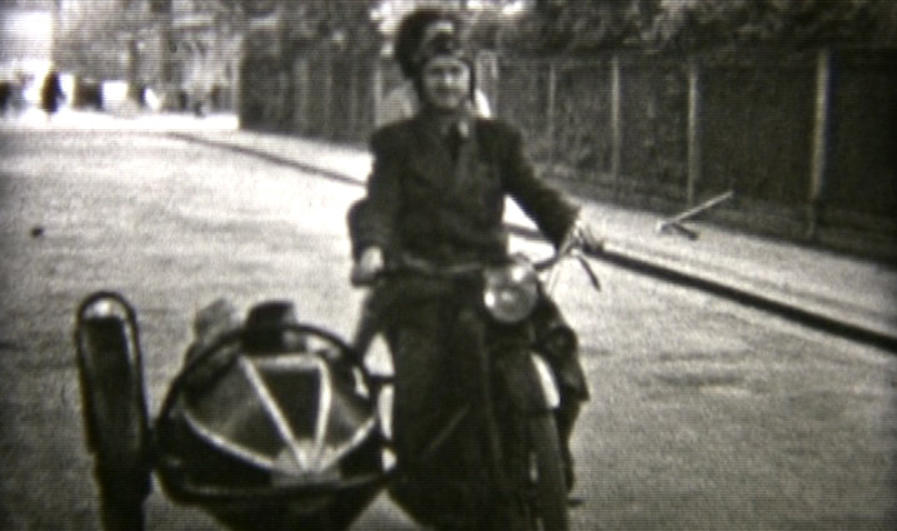
dedicated to the preservation and reactivation of amateur cinema.
These
films,
often
neglected
or
forgotten,
constitute
a
parallel
history
of
the
20th
century
—
a
social and emotional archaeology of the everyday.
In
their
apparent
simplicity,
they
contain
the
universality
of
human
experience:
affection,
celebration, routine, and loss.
By
recontextualizing
this
material,
Monfardini
transforms
the
archive
into
an
active
organism
—
no
longer a repository of the past, but a generative matrix of memory.
The
archive
becomes
both
medium
and
subject,
a
memory
device
through
which
the
past
re-
enters the present not as nostalgia, but as living emotion.
MEMORY
CAM
functions
as
a
time
machine
of
perception,
where
images
are
detached
from
their
original narratives and recomposed into new constellations of meaning.
The
viewer
is
immersed
in
a
continuum
of
temporal
folds,
where
time
expands,
collapses,
and
repeats itself.
This
temporal
dislocation
opens
a
contemplative
space
—
an
invitation
to
reinhabit
memory
not
as
documentation, but as experience.
The installation questions the limits of visibility and remembrance:
What remains when the story is forgotten, but the image persists?
What does it mean to see time, not as chronology, but as emotion?
In
an
age
dominated
by
digital
immediacy,
infinite
storage,
and
hyper-documentation,
MEMORY
CAM proposes an alternative form of remembrance — slow, analog, and affective.
It
celebrates
the
beauty
of
imperfection,
the
poetry
of
the
ephemeral,
and
the
emotional
power
of
amateur cinema to narrate human stories that transcend both time and technology.
Through
its
intertwining
of
sound,
image,
and
memory,
MEMORY
CAM
restores
a
tactile
and
sensory
relationship
with
the
past,
transforming
the
act
of
viewing
into
a
meditation
on
loss,
continuity, and the persistence of emotion within the moving image


SYNC FILM ARCHIVE
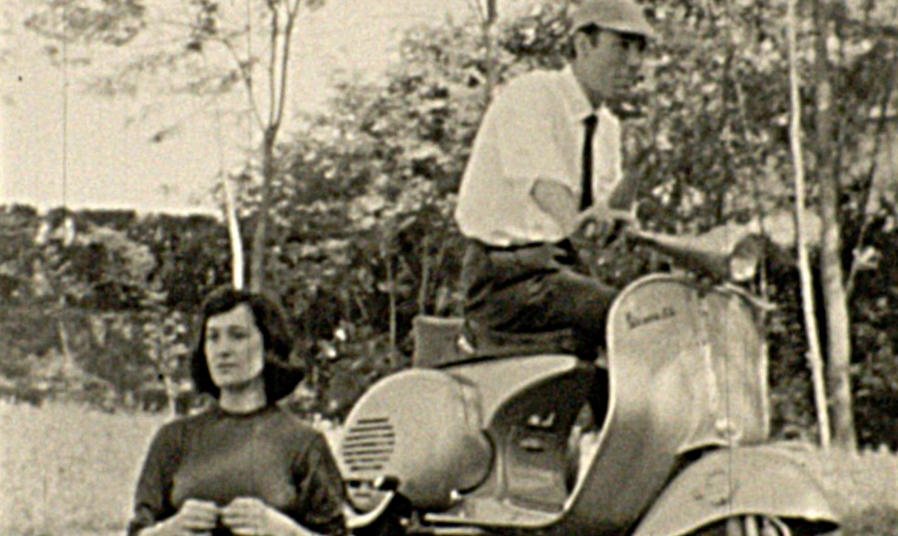
This
archive
houses
and
preserves
over
10,000
amateur
film
reels
in
8mm,
Super8,
and
16mm
formats,
produced
between
the
1930s
and
1980s.
The
collection
consists
of
family
films,
home
movies,
and
privately
shot
footage
from
around
the
world,
the
result
of
decades
of
acquisition,
cataloguing,
and
archival
care.
It
represents
a
valuable
resource
for
the
study
of
social
memory,
vernacular
visual
cultures,
and
everyday
life
across
the
20th
century.
The
footage
documents
domestic
scenes,
collective
rituals,
travel,
urban
and
rural
landscapes,
and
public
and private moments often absent from official visual histories.
Collection Details:
Film formats:
8mm, Super8, 16mm
Production years:
approx. 1930–1990
Geographic scope
: Europe, Americas, Asia, Oceania
Condition
: original film reels in varying states of preservation,
stored in a controlled environment
Cataloguing status
: ongoing inventory and progressive digitization


S Y N C F I L M A R C H I V E
M E M O R Y C A M
MEMORY
CAM
is
an
immersive
audiovisual
installation
that
transforms
found
footage
and
forgotten
fragments
of
everyday
life
into
a
sensory
and
emotional
meditation
on
time,
memory,
and
the
act
of
seeing.
At
once
intimate
and
universal,
it
invites
the
viewer
to
travel
through
the
layers
of
collective
memory
—
an
echo
chamber
of
gestures,
glances,
and
moments
suspended
between
personal
history
and
the
anonymous
continuum of the past.
At
its
core,
MEMORY
CAM
investigates
the
fragile
relationship
between
image
and
remembrance,
questioning
how
memory
is
shaped,
stored,
and reimagined through moving images.
The
work
explores
the
intersection
of
personal
and
collective
memory,
where
private
images—original,
unedited
home
movies—become
part
of
a shared visual language.
These
films,
once
intimate
documents
of
family
life,
are
reactivated
as
emotional
and
cultural
artifacts,
revealing
the
invisible
bonds
that
link
generations and geographies.
In
MEMORY
CAM,
memory
is
not
presented
as
a
linear
narrative
but
as
a
field
of
perception:
unstable,
fragmented,
and
porous.
Images
resurface
like
dreams,
detached
from
chronology
yet
charged
with
the
emotional residue of lived experience.
The
installation
proposes
memory
as
a
dynamic
process
—
not
a
place
of
storage,
but
an
ongoing
act
of
translation
between
time,
image,
and
affect.
Visually,
MEMORY
CAM
unfolds
as
a
mosaic
of
images
projected
in
multiple
layers,
generating
an
immersive
environment
where
the
viewer
becomes both observer and participant.
Through
a
subtle
interplay
of
color,
rhythm,
and
texture,
the
installation
constructs
a
fluid
visual
fabric
—
a
living
archive
that
breathes,
flickers,
and transforms.
The
original
8mm
and
16mm
home
movies
are
presented
in
their
unaltered
materiality:
the
grain,
the
flicker,
and
the
imperfections
of
analog film become essential narrative elements.
They
are
not
merely
traces
of
the
past
but
tactile
manifestations
of
time
itself — each scratch, each light leak, an index of memory’s fragility.
The
visual
composition
follows
no
predetermined
order;
it
flows
like
consciousness, oscillating between recognition and abstraction.
Moments
of
domestic
intimacy
coexist
with
landscapes,
architecture,
and anonymous figures.
The
repetition
and
layering
of
these
fragments
evoke
a
cinematic
palimpsest
—
a
visual
texture
in
which
memory
accumulates,
overlaps,
and slowly dissolves.
The
sonic
landscape
of
MEMORY
CAM
is
designed
as
a
counterpart
and extension of the image.
It
blends
archival
noise,
ambient
resonance,
and
minimal
composition,
creating a temporal texture that guides perception beyond the visual.
Sound
operates
as
an
invisible
narrative
layer
—
a
resonance
of
what
is
seen and what is lost.
Through
the
interplay
of
frequency,
echo,
and
silence,
the
sound
design
amplifies
the
tactile
and
emotional
depth
of
the
images,
transforming
the viewing experience into an embodied form of listening.
The
composition
is
not
synchronized
but
entangled
with
the
images,
producing
moments
of
dissonance
and
harmony
that
mirror
the
instability of memory itself.
Just
as
the
film
images
fade,
distort,
or
repeat,
the
sound
drifts
between
presence
and
absence
—
an
aural
equivalent
of
forgetting
and
remembering.
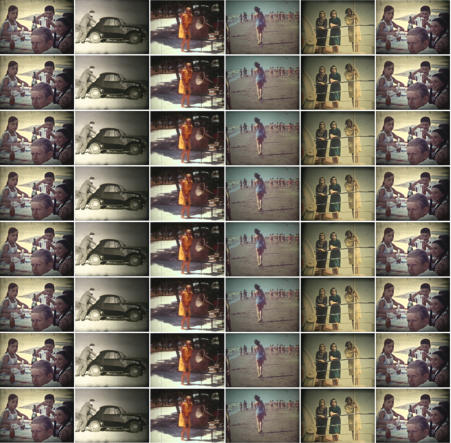
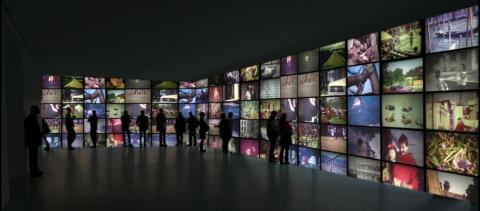
All
visual
material
in
MEMORY
CAM
comes
from
the
syncFILMARCHIVE,
a
living
archive
dedicated
to
the
preservation
and
reactivation
of
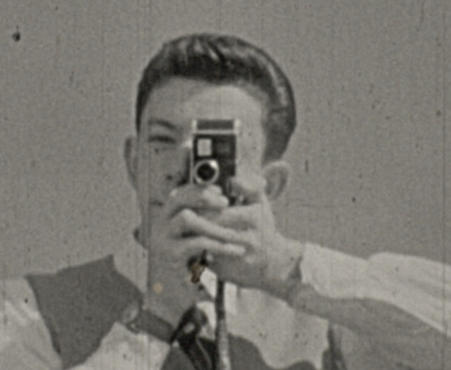
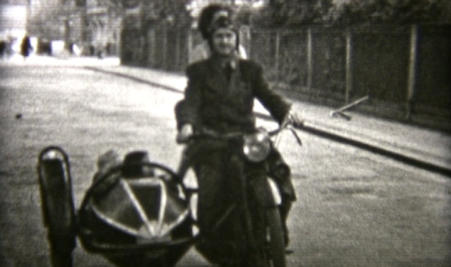
amateur cinema.
These
films,
often
neglected
or
forgotten,
constitute
a
parallel
history
of
the 20th century — a social and emotional archaeology of the everyday.
In
their
apparent
simplicity,
they
contain
the
universality
of
human
experience: affection, celebration, routine, and loss.
By
recontextualizing
this
material,
Monfardini
transforms
the
archive
into
an
active
organism
—
no
longer
a
repository
of
the
past,
but
a
generative matrix of memory.
The
archive
becomes
both
medium
and
subject,
a
memory
device
through
which
the
past
re-enters
the
present
not
as
nostalgia,
but
as
living emotion.
MEMORY
CAM
functions
as
a
time
machine
of
perception,
where
images
are
detached
from
their
original
narratives
and
recomposed
into
new constellations of meaning.
The
viewer
is
immersed
in
a
continuum
of
temporal
folds,
where
time
expands, collapses, and repeats itself.
This
temporal
dislocation
opens
a
contemplative
space
—
an
invitation
to reinhabit memory not as documentation, but as experience.
The installation questions the limits of visibility and remembrance:
What remains when the story is forgotten, but the image persists?
What does it mean to see time, not as chronology, but as emotion?
In
an
age
dominated
by
digital
immediacy,
infinite
storage,
and
hyper-
documentation,
MEMORY
CAM
proposes
an
alternative
form
of
remembrance — slow, analog, and affective.
It
celebrates
the
beauty
of
imperfection,
the
poetry
of
the
ephemeral,
and
the
emotional
power
of
amateur
cinema
to
narrate
human
stories
that transcend both time and technology.
Through
its
intertwining
of
sound,
image,
and
memory,
MEMORY
CAM
restores
a
tactile
and
sensory
relationship
with
the
past,
transforming
the
act
of
viewing
into
a
meditation
on
loss,
continuity,
and
the
persistence of emotion within the moving image
SYNC FILM ARCHIVE
This
archive
houses
and
preserves
over
10,000
amateur
film
reels
in
8mm,
Super8,
and
16mm
formats,
produced
between
the
1930s
and
1980s.
The
collection
consists
of
family
films,
home
movies,
and
privately
shot
footage
from
around
the
world,
the
result
of
decades
of
acquisition, cataloguing, and archival care.
It
represents
a
valuable
resource
for
the
study
of
social
memory,
vernacular
visual
cultures,
and
everyday
life
across
the
20th
century.
The
footage
documents
domestic
scenes,
collective
rituals,
travel,
urban
and
rural
landscapes,
and
public
and
private
moments
often
absent
from
official visual histories.
Collection Details:
Film formats:
8mm, Super8, 16mm
Production years:
approx. 1930–1990
Geographic scope
: Europe, Americas, Asia, Oceania
Condition
: original film reels in varying states of preservation,
stored in a controlled environment
Cataloguing status
: ongoing inventory and progressive digitization

©2025 EXTRAsync
This site does not use cookies or other user data tracking technologies

