
S C H N I T T
W H I T E B A L A N C E
In White Balance, SCHNITT investigate the perceptual and symbolic dimension of white as
a threshold — a space of transition between the visible and the audible, between presence
and absence.
The project originates from the photographic notion of white balance, the operation that
calibrates the color temperature of light to render reality “correctly”. SCHNITT reinterprets
this technical procedure as a metaphor for perceptual translation, transferring it from the
visual to the audiovisual domain.
Here, the balance is no longer a matter of chromatic correction, but of relational equilibrium
between light and sound, between the digital and the real, between human gesture and
machine response.
Drawing on the radical minimalism of Robert Ryman’s “white paintings”, the duo explore the
idea of white not as absence, but as totality and potential — a space that contains all
frequencies of light, and by extension, all sonic possibilities. The performance unfolds as
an act of subtractive purification, an attempt to reach an essential audiovisual condition
freed from narrative, representation, or emotional surplus.
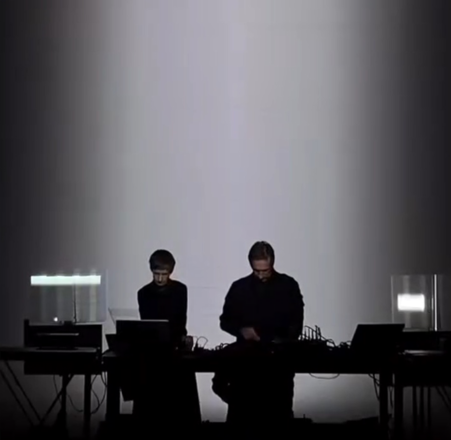
The performance inverts the conventional hierarchy between image and sound. Instead of
sound shaping the image, White Balance lets light become the generator of sound.
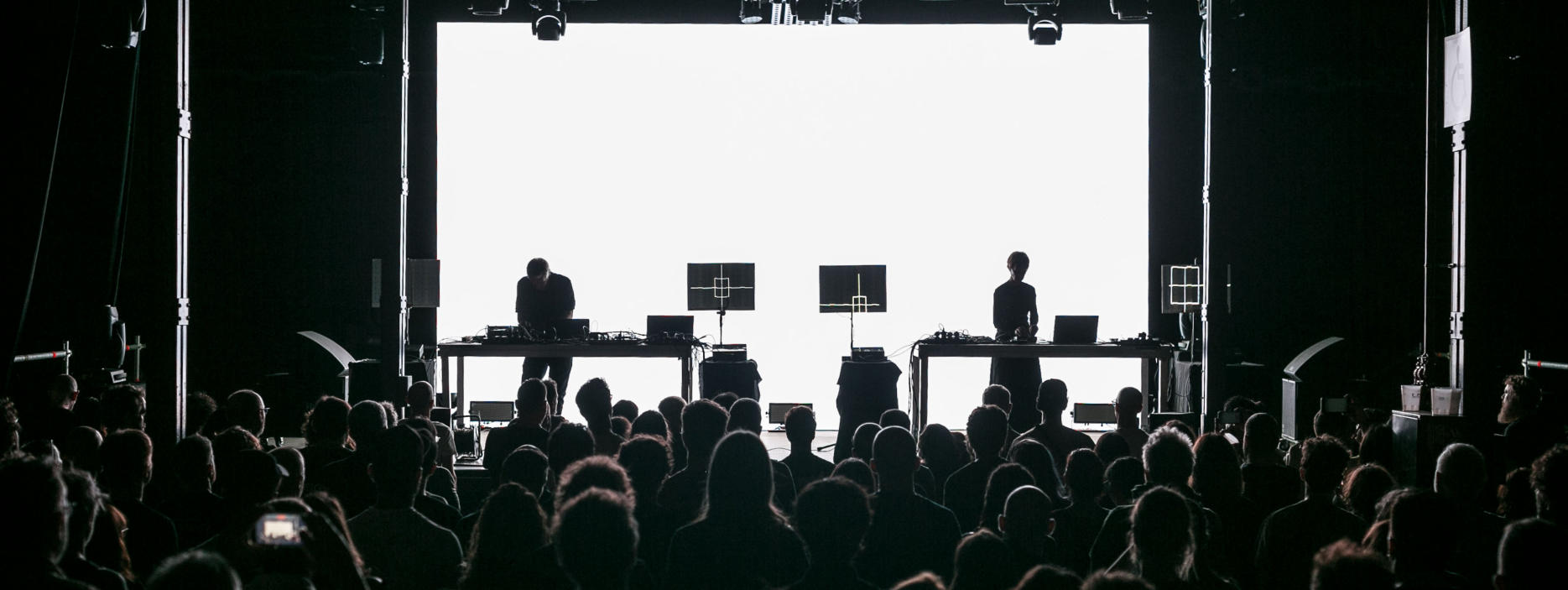
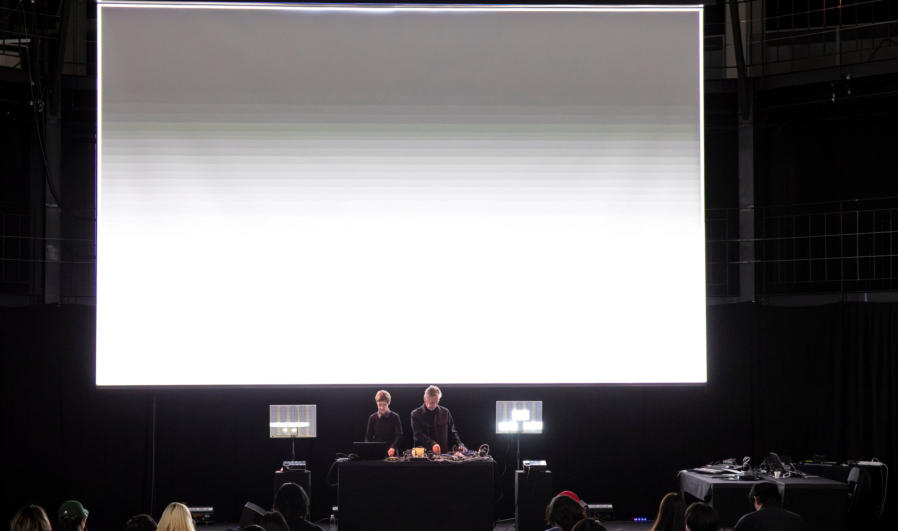
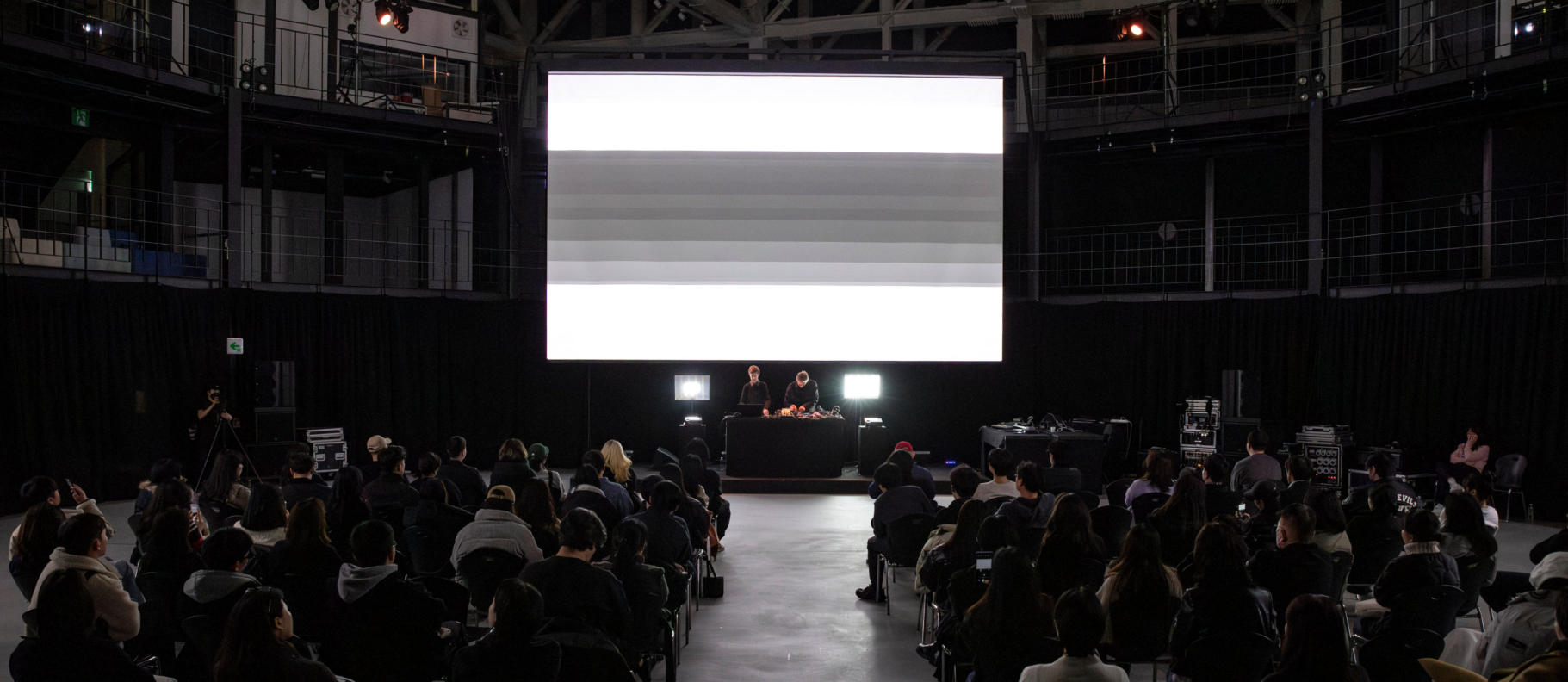
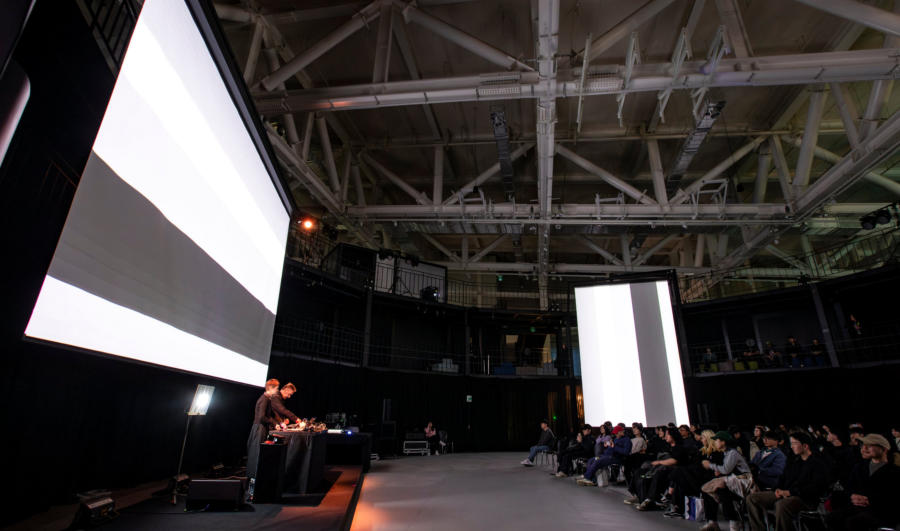
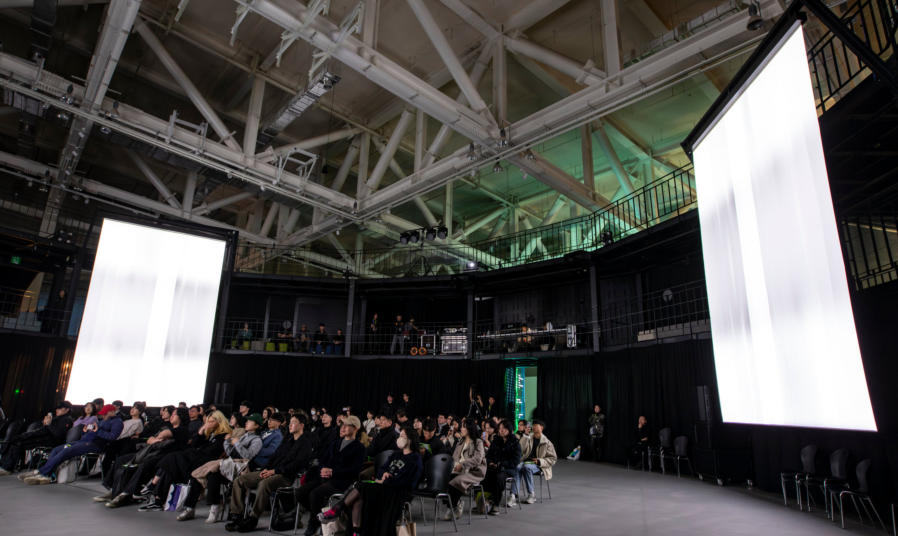
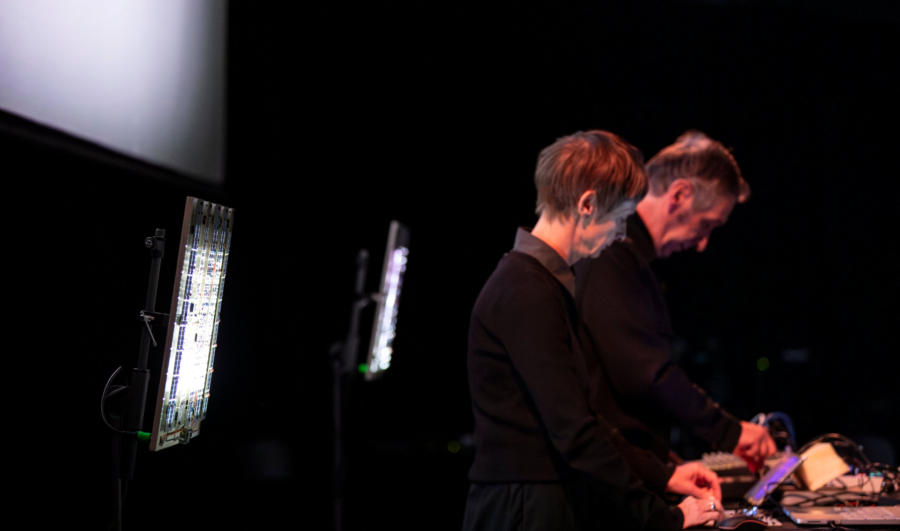
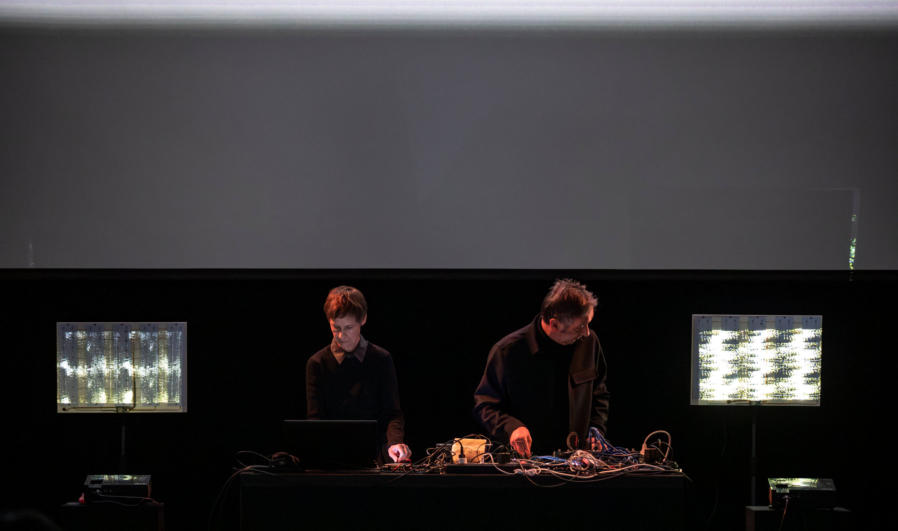
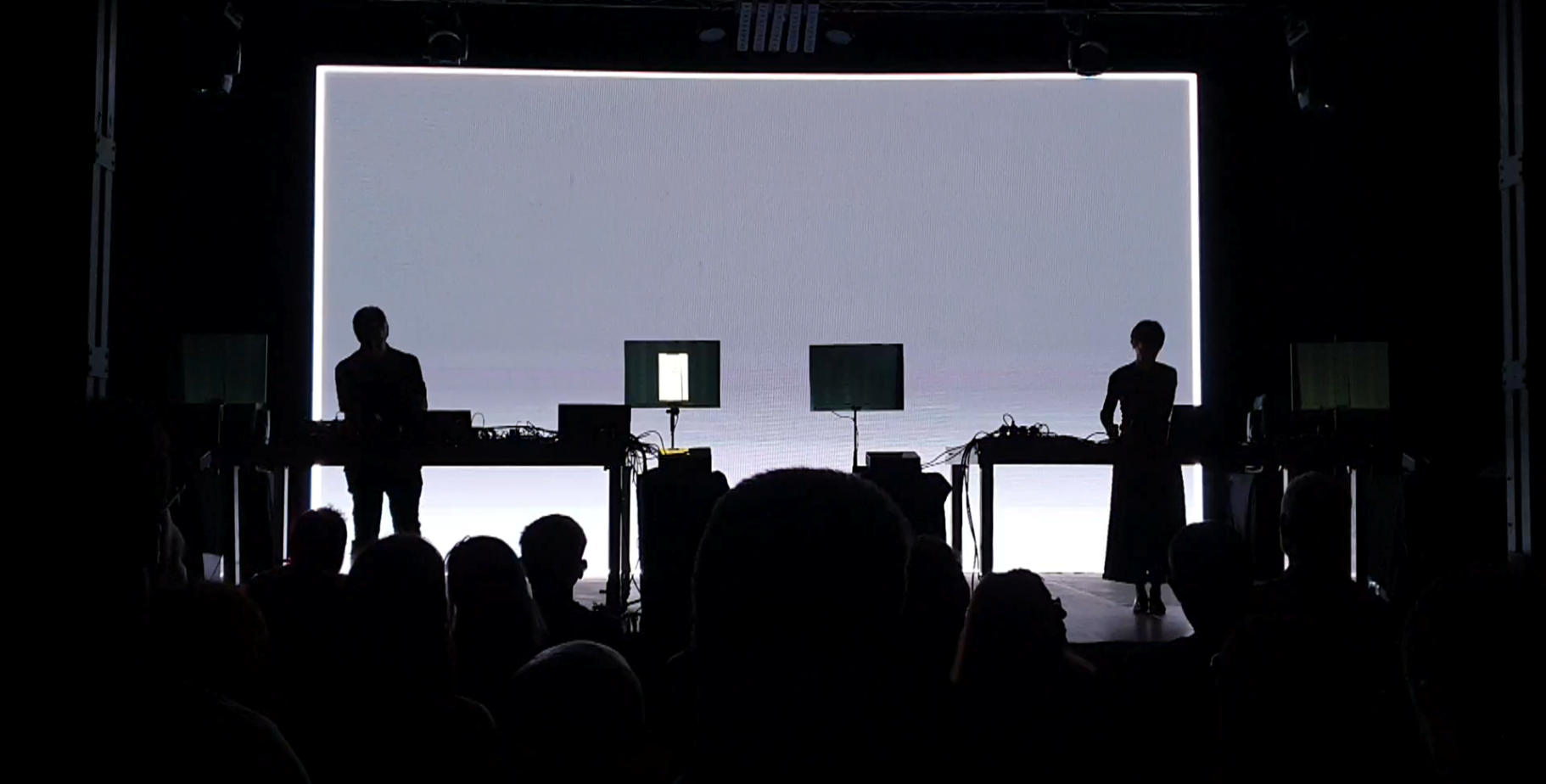
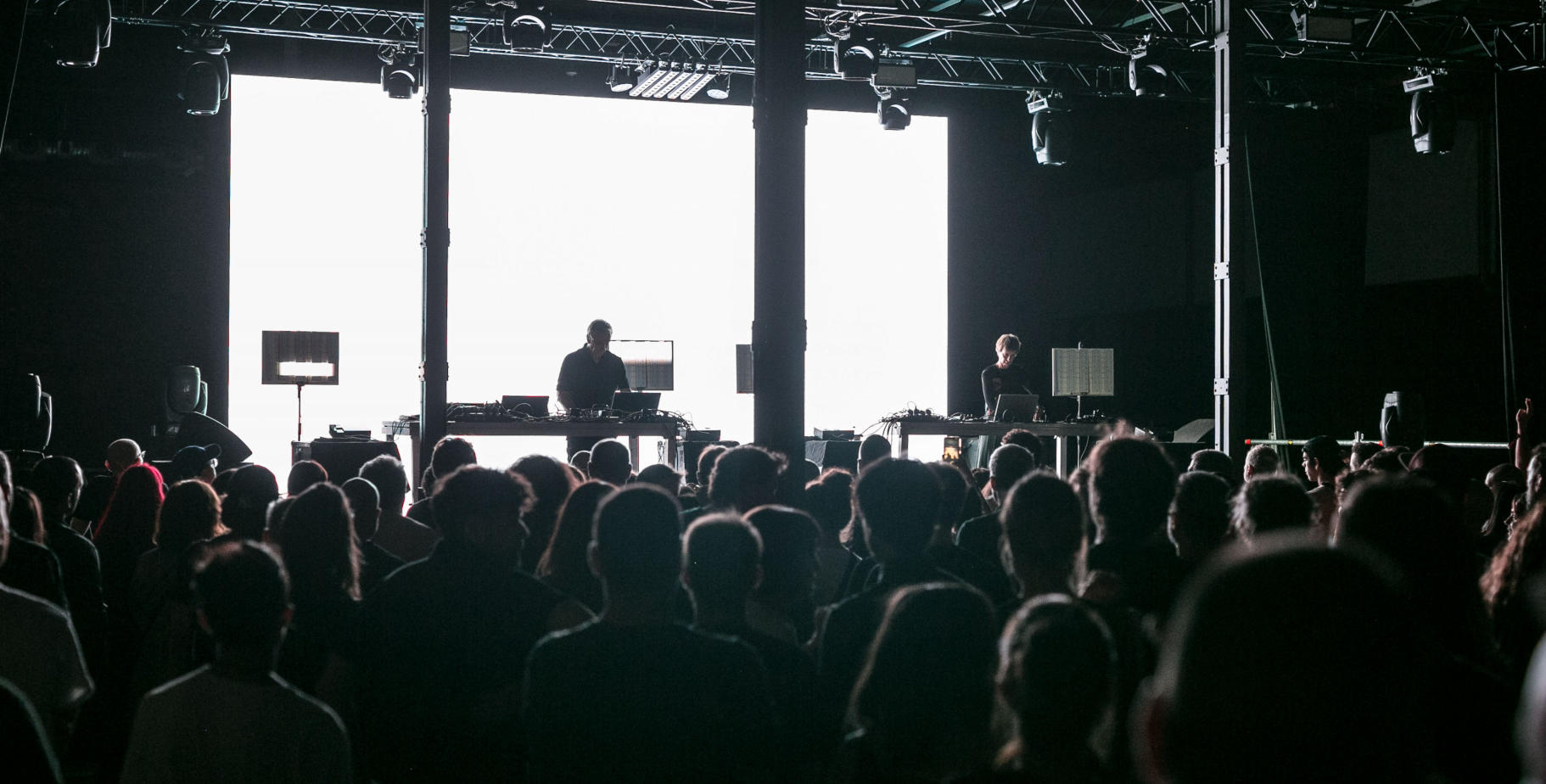
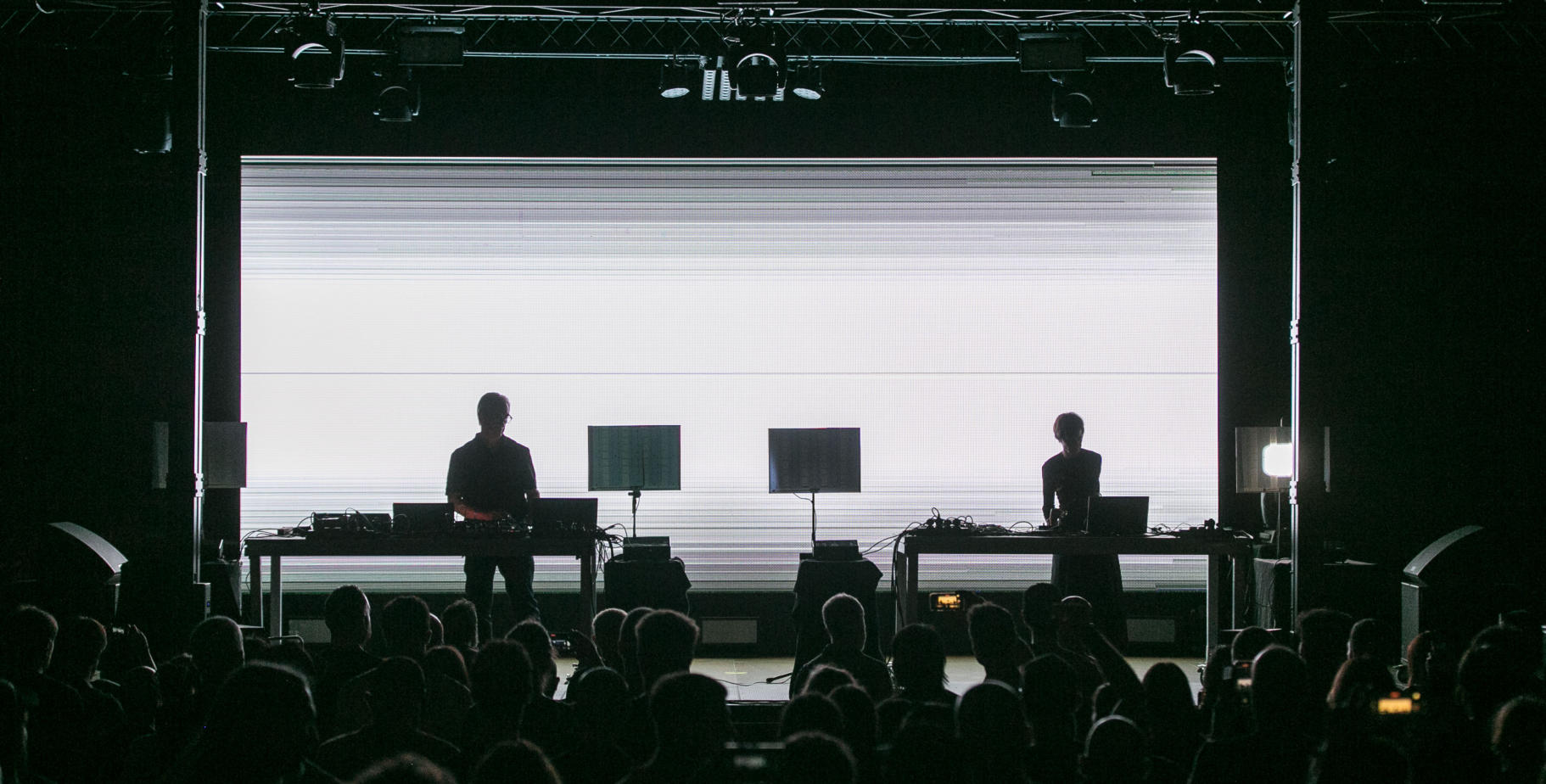
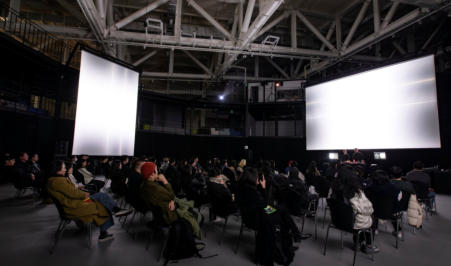
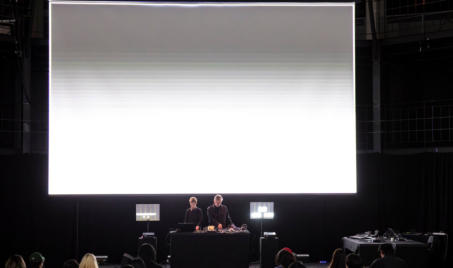
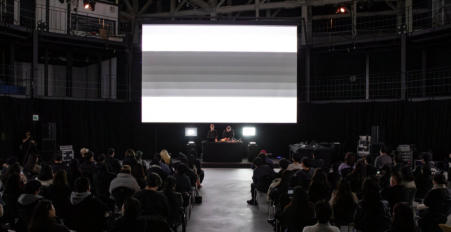
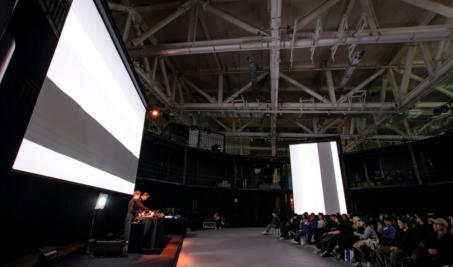
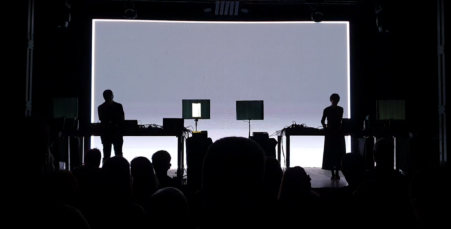
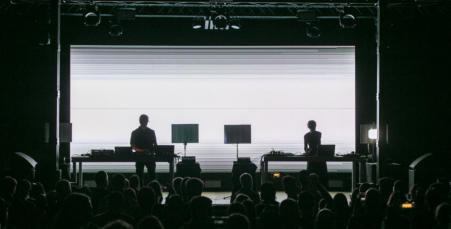
Four video projectors emit modulated white pulses toward four photosensitive sensors,
each of which translates variations in brightness into electronic signals.
These signals are processed in real time, composing the evolving sound structure of
the piece.
This setup creates a feedback ecosystem between the performers, the light sources, and the
reactive devices.
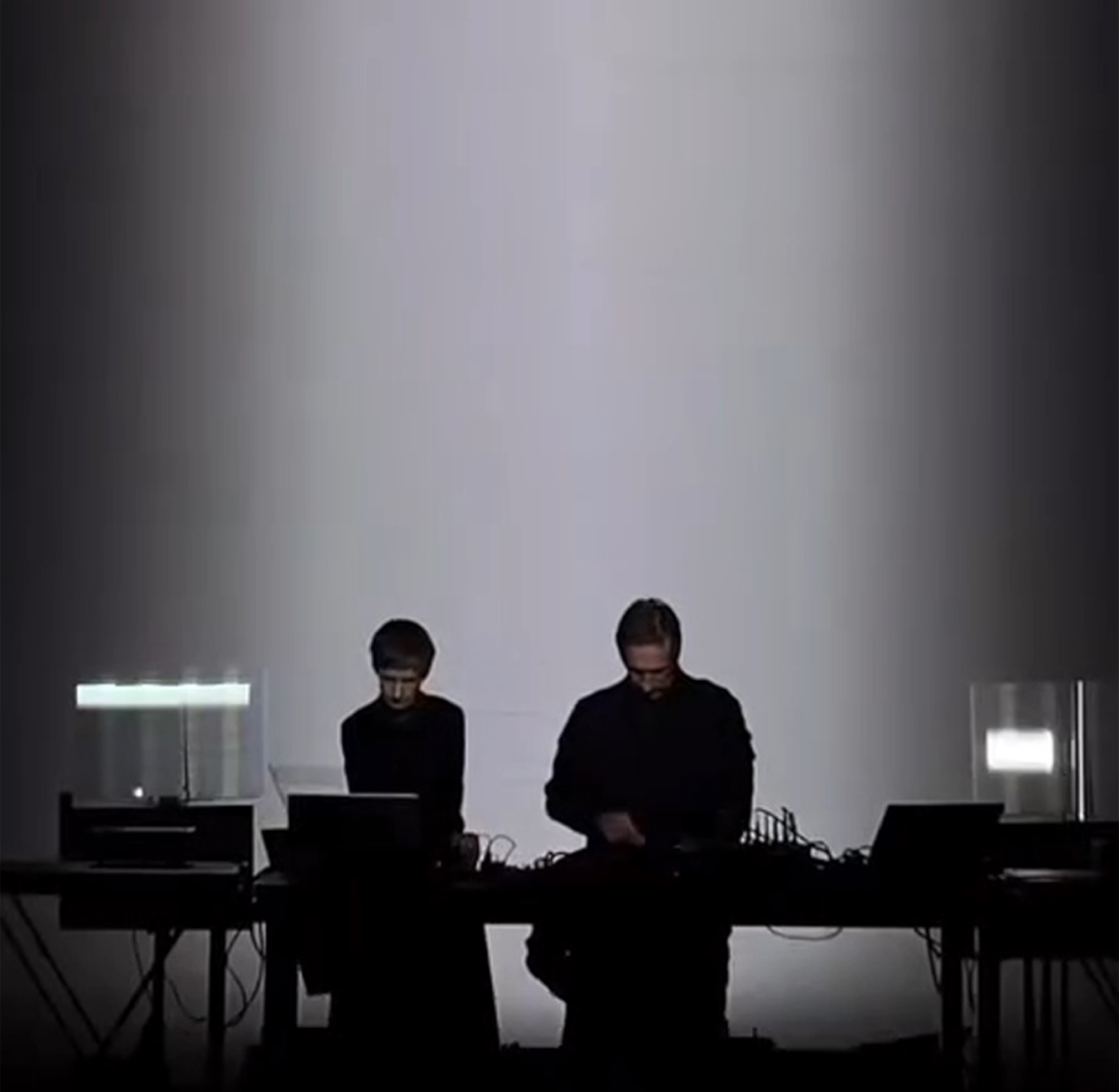
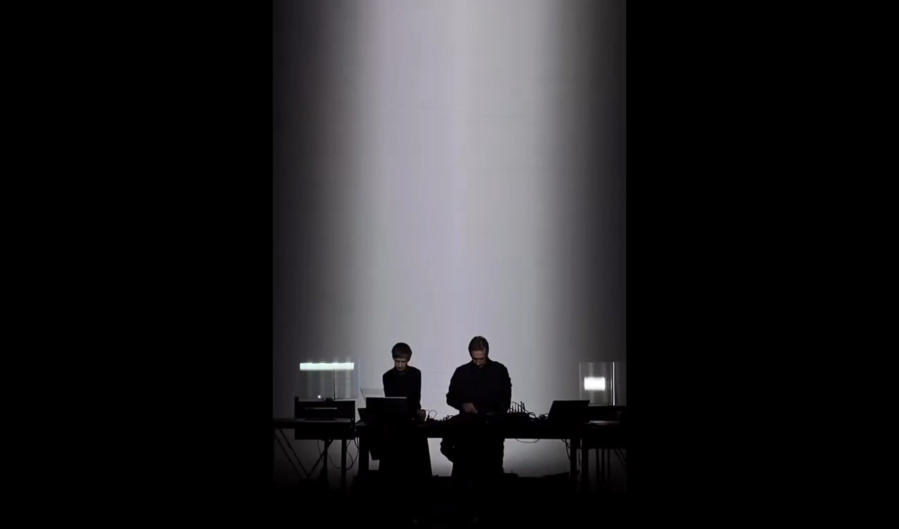
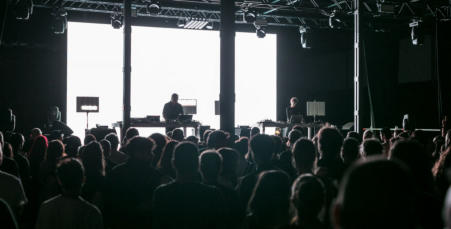
On stage, the duo perform within this fragile system, where every movement of light affects
the sound field, and every sonic variation feeds back into the visual rhythm.
The result is a continuous rebalancing of perception, a choreography of light and tone that
gradually approaches the limit of perception — the threshold of nowhere.
White Balance questions how the human perceptual apparatus constructs “neutrality” and
“truth” in mediated experience.
By treating white not as a color but as an epistemological problem, SCHNITT expose the
instability of what we consider pure, balanced, or natural.
The work also reflects on the materiality of digital images: each pixel of projected white light
carries within it a structure of invisible frequencies, a hidden sonic potential that becomes
audible only through the conversion process. In this way,
White Balance acts as a transducer of media, translating the immaterial into the tangible, the
visible into the audible, and the conceptual into the sensory.

10 Dic | 2023
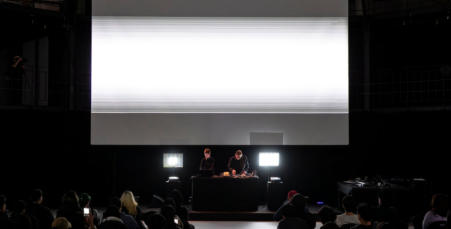
WHITE BALANCE at LIVE CINEMA FESTIVAL | Acquario Romano | Rome | link
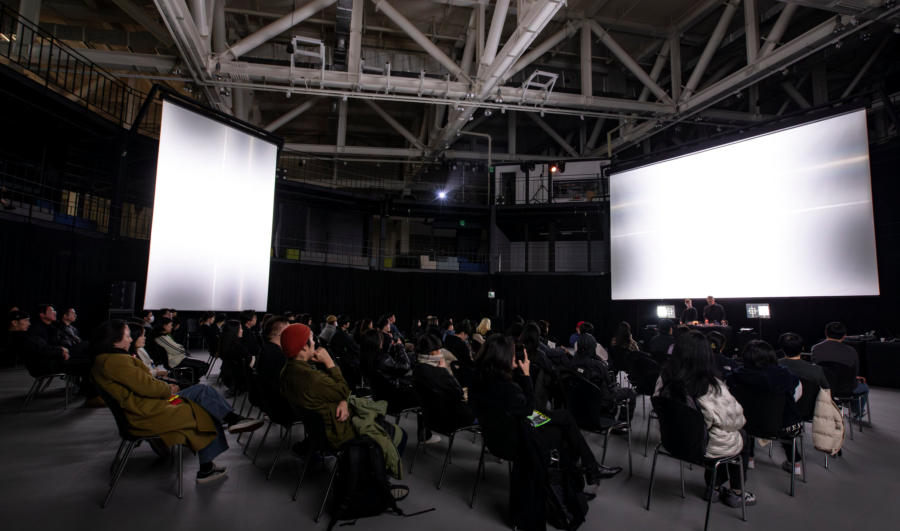
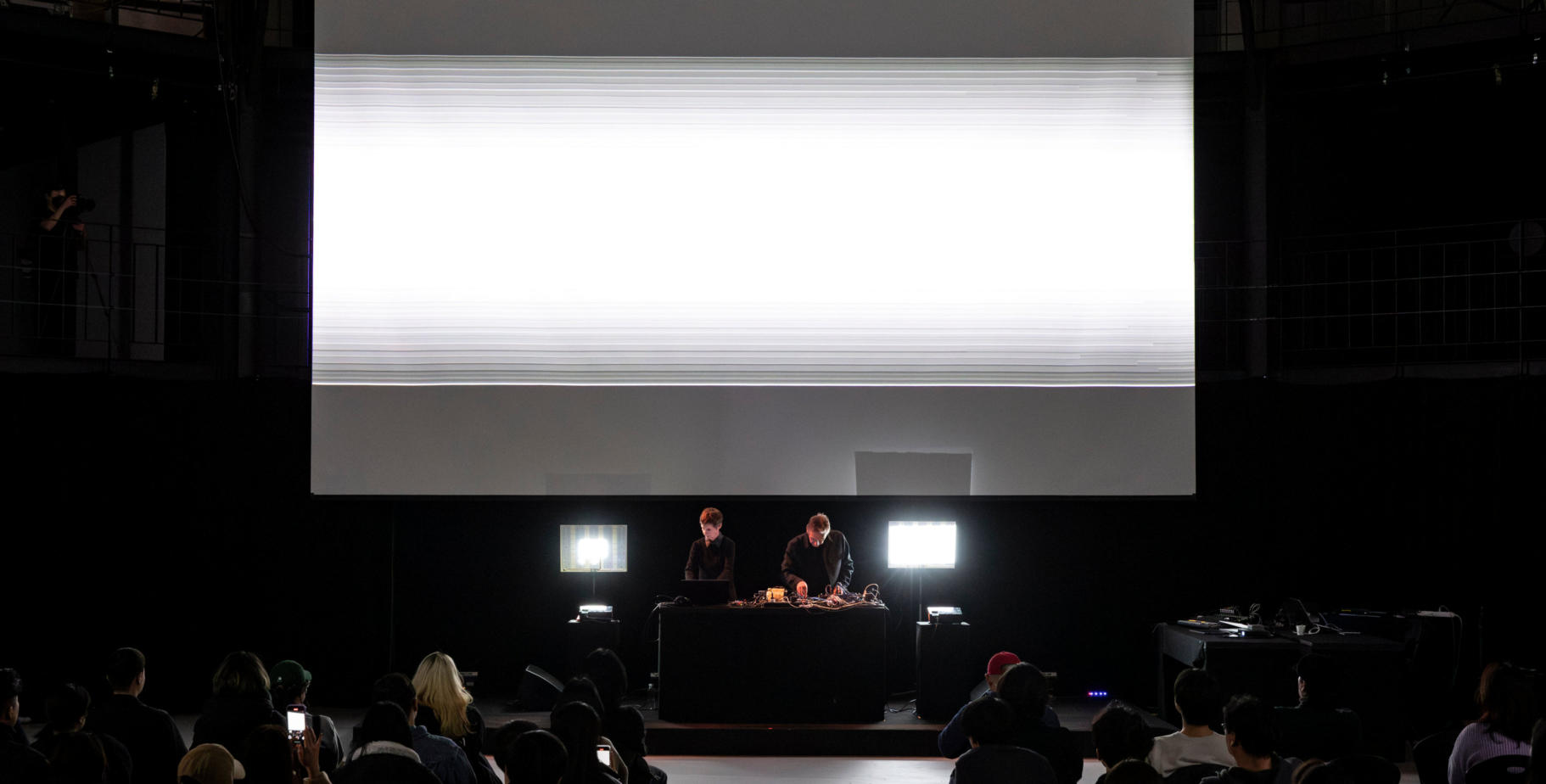
17 Nov | 2023
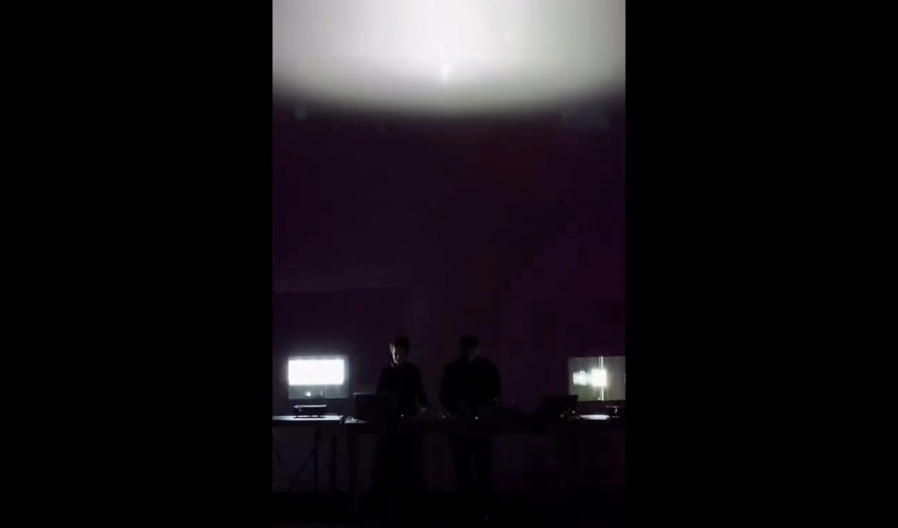
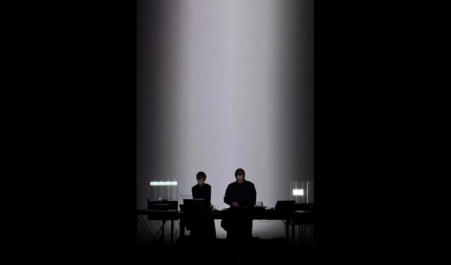
WHITE BALANCE at ACT Festival 2023 | ACC Asia Culture Center | Gwangju | South Korea | link
17 Nov | 2023
WHITE BALANCE at ACT Festival 2023 | ACC Asia Culture Center | Gwangju | South Korea | link
22 Sep | 2022
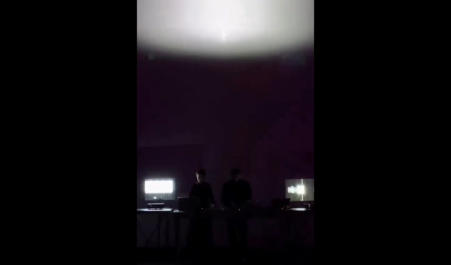
WHITE BALANCE at L.E.V. FESTIVAL | Matadero | Madrid | Spain | link

©2025 EXTRAsync
This site does not use cookies or other user data tracking technologies
S C H N I T T
W H I T E B A L A N C E
In
White
Balance,
SCHNITT
investigate
the
perceptual
and
symbolic
dimension
of
white
as
a
threshold
—
a
space
of
transition
between
the
visible and the audible, between presence and absence.
The
project
originates
from
the
photographic
notion
of
white
balance,
the
operation
that
calibrates
the
color
temperature
of
light
to
render
reality
“correctly”.
SCHNITT
reinterprets
this
technical
procedure
as
a
metaphor
for
perceptual
translation,
transferring
it
from
the
visual
to
the
audiovisual domain.
Here,
the
balance
is
no
longer
a
matter
of
chromatic
correction,
but
of
relational
equilibrium
between
light
and
sound,
between
the
digital
and
the real, between human gesture and machine response.
Drawing
on
the
radical
minimalism
of
Robert
Ryman’s
“white
paintings”,
the
duo
explore
the
idea
of
white
not
as
absence,
but
as
totality
and
potential
—
a
space
that
contains
all
frequencies
of
light,
and
by
extension,
all
sonic
possibilities.
The
performance
unfolds
as
an
act
of
subtractive
purification,
an
attempt
to
reach
an
essential
audiovisual
condition freed from narrative, representation, or emotional surplus.
The
performance
inverts
the
conventional
hierarchy
between
image
and
sound.
Instead
of
sound
shaping
the
image,
White
Balance
lets
light
become the generator of sound.
Four
video
projectors
emit
modulated
white
pulses
toward
four
photosensitive
sensors,
each
of
which
translates
variations
in
brightness
into
electronic
signals.
These
signals
are
processed
in
real
time,
composing the evolving sound structure of the piece.
This
setup
creates
a
feedback
ecosystem
between
the
performers,
the
light sources, and the reactive devices.
On
stage,
the
duo
perform
within
this
fragile
system,
where
every
movement
of
light
affects
the
sound
field,
and
every
sonic
variation
feeds
back
into
the
visual
rhythm.
The
result
is
a
continuous
rebalancing
of
perception,
a
choreography
of
light
and
tone
that
gradually
approaches the limit of perception — the threshold of nowhere.
White
Balance
questions
how
the
human
perceptual
apparatus
constructs
“neutrality”
and
“truth”
in
mediated
experience.
By
treating
white
not
as
a
color
but
as
an
epistemological
problem,
SCHNITT
expose the instability of what we consider pure, balanced, or natural.
The
work
also
reflects
on
the
materiality
of
digital
images:
each
pixel
of
projected
white
light
carries
within
it
a
structure
of
invisible
frequencies,
a
hidden
sonic
potential
that
becomes
audible
only
through
the
conversion
process.
In
this
way,
White
Balance
acts
as
a
transducer
of
media,
translating
the
immaterial
into
the
tangible,
the
visible
into
the
audible, and the conceptual into the sensory.
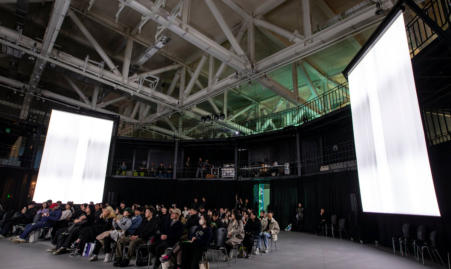
17 Nov | 2023
WHITE BALANCE at ACT Festival 2023 | ACC Asia Culture Center
Gwangju | South Korea | link
22 Sep | 2022
WHITE BALANCE at L.E.V. FESTIVAL | Matadero | Madrid | Spain | link

©2025 EXTRAsync
This site does not use cookies or other user data tracking technologies

